


How to Bulk Up: A Comprehensive Guide
How can you build muscle, boost strength, and transform your physique? Let’s dive into the details of bulking up.
Build your perfect body
Find out how long it takes to bulk up with a personalized workout plan.
Select your gender
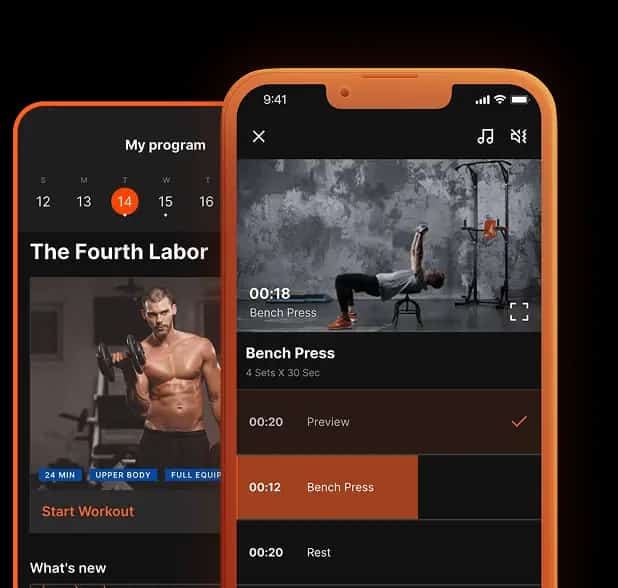
Bulking isn’t just about lifting weights — it’s a strategic combination of proper exercise, tailored to your unique needs, combined with effective recovery practices. This guide will provide you with actionable, science-backed steps to bulk up effectively and sustainably.
Table of contents
Tailoring Your Plan to Your Body
Every man’s journey to bulking up starts with understanding his body. Factors such as body type, basal metabolic rate (BMR), physical abilities, and personal preferences play crucial roles in crafting the ideal workout plan. Tailoring your approach ensures that your efforts are aligned with what works best for your unique physiology.


Coach's comment
Brian F., Personal trainer
For effective bulking, maintain a calorie surplus with quality protein, fats, and carbs. Focus on strength training with progressive overload to maximize muscle growth. Track progress to ensure lean gains.
Body Type Matters:
Ectomorphs
often need to focus on building strength gradually and incorporating compound exercises to maximize muscle activation.

Mesomorphs
can benefit from a balance of heavy lifting and volume training to maintain steady muscle growth.

Endomorphs
should emphasize controlled, high-intensity training to build muscle while keeping fat gain in check.

Test to determine your body type

Grip your opposite wrist using the thumb and an index finger. If you’re right-handed, use your right hand to grab your left wrist.
Thumb and index finger:
Ectomorph — wrapping around with ease. Mesomorph — touching each other. Endomorph — doesn’t come into contact.
Physical Abilities and Preferences:
Tailor your exercises to your current fitness level. For example, beginners can start with bodyweight movements before advancing to free weights and machines. Choose activities you enjoy to maintain consistency.
Research shows that training with free weights (e.g. dumbbells, barbells) is more effective for muscle building than machines.
Harvard Health Publishing, 2022
Metabolism and Recovery:
Pay attention to how your body responds to workouts. Fast recovery might mean you can handle more frequent sessions, while slower recovery may require longer rest periods. Listen to your body to avoid over training and maximize progress.

Prioritizing a Structured Workout Plan
Building muscle requires a strategic workout plan focused on progressive overload. This means gradually increasing the weights, reps, or intensity to challenge your muscles over time. Below is a sample weekly workout split:
Monday: Chest and Triceps
Barbell Bench Press
4 sets of 8–12 reps
Incline Dumbbell Press
3 sets of 8–12 reps
Tricep Dips
3 sets of 10–12 reps
Close-Grip Bench Press
3 sets of 10–12 reps
Tuesday: Back and Biceps
Deadlifts
4 sets of 6–8 reps
Pull-Ups
3 sets of 8–12 reps
Barbell Rows
4 sets of 8–12 reps
Dumbbell Bicep Curls
3 sets of 10–12 reps
Wednesday: Rest or Active Recovery
Light cardio or stretching
Thursday: Shoulders and Abs
Overhead Press
4 sets of 8–12 reps
Lateral Raises
3 sets of 10–12 reps
Shrugs
3 sets of 10–12 reps
Plank Holds
3 sets of 60 seconds
Friday: Legs and Glutes
Squats
4 sets of 8–12 reps
Leg Press
3 sets of 10–12 reps
Lunges
3 sets of 12 reps per leg
Calf Raises
3 sets of 20 reps
Saturday: Rest or Active Recovery
Yoga or mobility exercises
Sunday: Rest
The Role of Progressive Overload
A non-negotiable part of any bulking plan is progressive overload. Continuously increase the challenge for your muscles by gradually adding weight, reps, or sets. This ensures your muscles are consistently pushed to adapt and grow stronger over time.
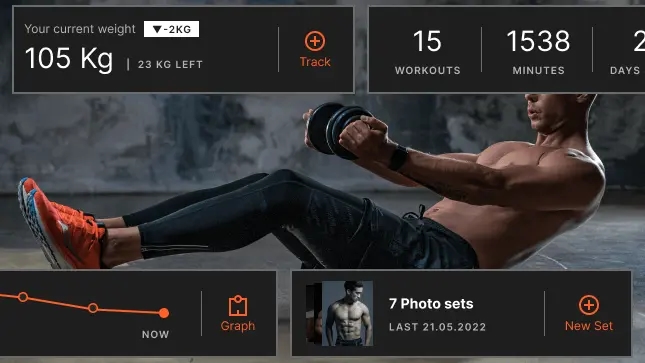
Progressive overload is essential for all fitness levels. For beginners, this might mean increasing the weights every few weeks, while advanced lifters may focus on refining techniques or experimenting with tempo. Tracking your progress through a workout journal or app can help ensure you're making consistent gains.
Recovery is Key
Rest and recovery are just as important as the workouts themselves. Your muscles need time to repair and grow after being challenged in training. Aim for seven to eight hours of quality sleep each night, and schedule at least one full rest day each week. Incorporate stretching, mobility work, and light cardio on active recovery days to enhance circulation and reduce soreness.
Active recovery plays a critical role in maintaining flexibility and reducing fatigue. Activities such as swimming, yoga, or even brisk walking can promote blood flow without overtaxing your body. Remember, recovery isn't a sign of weakness; it's an integral part of building strength and endurance.

Advanced Techniques to Maximize Gains
Mind-Muscle Connection:
Focus on the targeted muscle group during each exercise. This improves form and ensures you’re effectively engaging the right muscles. Visualization and concentration can enhance your workout intensity and lead to better results.
Varied Training Approaches:
Alternate between strength-focused low-rep sets and hypertrophy-focused moderate-rep sets to challenge your muscles in different ways. Incorporating supersets, drop sets, and pyramid sets can add variety and intensity to your workouts.
Customized Intensity:
Adjust your workout intensity based on how your body feels. On days when you feel stronger, consider increasing your weights or volume. On less energetic days, focus on maintaining proper form and technique. Balancing intensity and recovery is key to avoiding plateaus and injuries.
Progress Monitoring:
Keep track of your workout progress, including weights lifted, reps completed, and how you felt during each session. Use this data to fine-tune your program and ensure steady improvements over time.
Fueling Your Workouts
While this guide focuses primarily on workouts, it’s important to recognize the role of nutrition in optimizing performance. Eating the right foods before and after training can boost energy levels, improve recovery, and support muscle growth.
Pre-Workout Nutrition:
Consume a balanced meal one to three hours before your workout. Include complex carbohydrates like oats or brown rice for sustained energy, along with a moderate amount of protein for muscle support.
Post-Workout Recovery:
Replenish your body’s glycogen stores and promote muscle repair with a combination of protein and carbohydrates within an hour of exercise. Protein shakes, paired with a piece of fruit or a handful of nuts, make for a convenient and effective option.
Common Mistakes to Avoid
Neglecting Form:
Always prioritize proper form to prevent injuries and maximize muscle activation. Poor technique can hinder progress and increase the risk of strain.
Over training:
Allow adequate recovery time to avoid burnout and injury. Training too often or too intensely without enough rest can lead to decreased performance and prolonged fatigue.
Skipping Warm-Ups and Cool-Downs:
Take 5–10 minutes to prepare your body before exercise and cool down afterward to enhance recovery and prevent stiffness. Warm-ups increase blood flow, while cool-downs help minimize lactic acid buildup.
Ignoring Individual Differences:
No single plan fits everyone. Adapt your approach based on your body’s feedback, and don’t compare your progress to others.

Final Thoughts
Bulking up is a journey that requires dedication, patience, and consistency. Focus on a structured workout plan tailored to your body type, metabolism, and abilities. Pair it with proper recovery practices to achieve your goals. By sticking to these principles, you’ll build strength, enhance your physique, and see the results you’ve been working toward.
Remember, the path to bulking up isn’t just about adding size but improving overall health and fitness. Therefore, to achieve the best results, you need to create your own personalized workout plan. Celebrate small victories, stay committed, and enjoy the process of transforming your body and mind. You’ve got this!
Shape your body with MadMuscles
- Take a Quiz
- Get a personal workout plan
- Achieve your goals!
Select your gender
MadMuscles does not diagnose conditions or suggest treatments. Any diet, training plan, or supplement described should be discussed with your current physician or nutritionist. This article does not address specific medical conditions and is intended solely to provide general information on healthcare topics. Following any advice is at your own discretion and does not impose any responsibility on the blog authors for your health and safety.