


How to Lose Weight Fast — The Smart Way to Do It
The Ultimate Guide to Shedding Pounds and Staying Healthy
Weight loss can be a challenging journey, but with the right approach, achieving your goals is easier that you think.
Build your perfect body
Find out how long it takes to lose weight with a personalized workout plan.
Select your gender

This guide provides actionable advice, effective workouts, and dietary tips tailored specifically for men looking to lose weight and improve their overall health.
Table of contents
Why lose weight at all?
Weight loss isn’t just about appearance; it plays a critical role in improving overall health and well-being. Carrying excess weight can increase the risk of health issues such as heart disease, type 2 diabetes, and high blood pressure. Many people report a noticeable boost in energy after losing weight, saying they can get through the day without mid-afternoon crash.


Dietitian comment
Ievgeniia Dobrynina, Dietitian
For effective weight loss, prioritize a calorie deficit with high-protein meals and balanced nutrition. Combine strength training with cardio to preserve muscle while burning fat. Stay consistent, manage stress, and get enough sleep — results come with discipline and patience.
Is it possible to lose weight quickly?
Yes, you can lose weight relatively quickly by following a structured approach that works for you. However, the key to lasting results is consistency and a focus on sustainable habits. Rapid weight loss is often not only unrealistic but also potentially harmful. Instead, aim for gradual fat loss through a balanced combination of proper nutrition, regular exercise, and healthy lifestyle changes.
Factors that affect weight loss:
Dietary habits:
A diet high in processed foods and sugars can lead to weight gain.
Physical activity:
Sedentary lifestyles contribute significantly to weight gain.
Metabolism:
Muscle mass plays a vital role in metabolic rate, making strength training a critical component of weight loss.
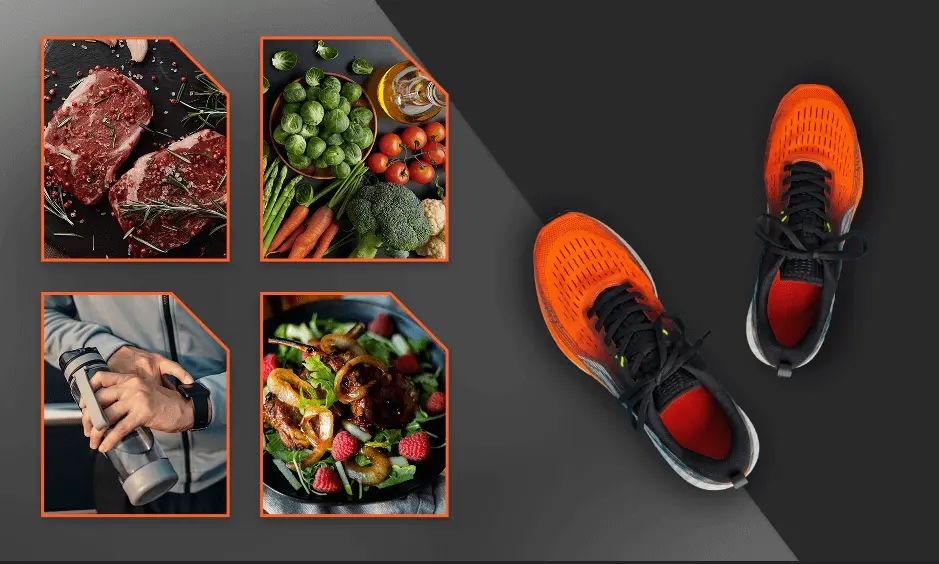
Research shows that limiting intake of unhealthy carbohydrates (e.g. sugars and refined starches) promote fat burning
Harvard Health Publishing, 2021
Step-by-Step Guide to Losing Weight
Achieving weight loss success requires a clear and structured plan. Here is a detailed step-by-step guide:
Step 1: Set Realistic Goals
Define your target weight and timeframe for achieving it.
Break your goal into smaller milestones to keep yourself motivated.
Step 2: Assess Your Current Habits
Keep a food journal for a week to identify unhealthy eating patterns.
Analyze your physical activity levels to determine areas for improvement.
Step 3: Create a Calorie Deficit
Determine your daily calorie needs.
Plan meals to ensure you consume fewer calories than you burn.
Step 4: Design a Balanced Diet
Prioritize whole, nutrient-dense foods like vegetables, lean proteins, whole grains, and healthy fats.
Limit sugary snacks, processed foods, and alcohol.
Eat smaller, more frequent meals to stabilize blood sugar levels.
Step 5: Start an Exercise Routine
Begin with light cardio workouts like brisk walking or cycling if you're new to exercise.
Incorporate strength training 2-3 times per week to build muscle and boost metabolism.
Focus on progressive overload by gradually increasing weights or resistance.
Step 6: Stay Hydrated
Drink at least 2-2.5 liters of water daily to support metabolism and reduce hunger.
Avoid sugary drinks and replace them with water or unsweetened beverages.
Step 7: Track Your Progress
Regularly weigh yourself but also take measurements of your waist, chest, and other key areas.
Use fitness apps to monitor your calorie intake and exercise.
Step 8: Address Barriers
Identify potential obstacles like busy schedules or cravings.
Prepare strategies to overcome them, such as meal prepping or healthy snack options.
Step 9: Get Adequate Sleep
Aim for 7-9 hours of quality sleep each night to support recovery and hormone balance.
Establish a regular sleep schedule and create a restful bedtime routine.
Step 10: Stay Consistent
Focus on building sustainable habits instead of seeking quick fixes.
Celebrate small victories and stay motivated with rewards like new workout gear or a fun activity.
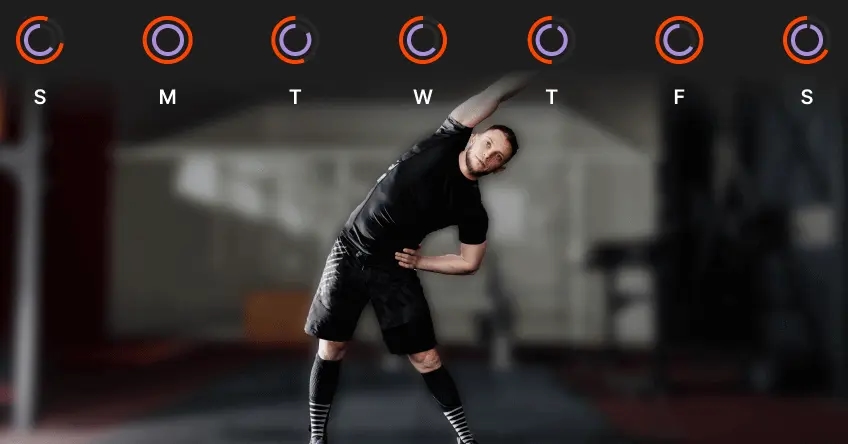
Key Pillars of Effective Weight Loss
Adopt a Balanced Diet
Focus on whole, nutrient-dense foods like lean proteins, vegetables, whole grains, and healthy fats.
Avoid processed foods, sugary beverages, and refined carbohydrates.
Practice portion control to maintain a calorie deficit while ensuring you’re meeting nutritional needs.
Incorporate Regular Exercise
Strength Training: Building muscle helps boost metabolism and burn calories even at rest.
Cardio Workouts: Activities like running, cycling, or swimming are excellent for burning calories and improving cardiovascular health.
Monitor Progress
Keep track of your calorie intake using apps or a food diary.
Measure progress through a combination of weight checks, body measurements, and how your clothes fit.
Stay Consistent
Weight loss is not linear. Focus on long-term habits rather than quick fixes.
Stay motivated by setting realistic goals and celebrating small milestones.

Workouts for Weight Loss
Strength Training Exercises:
Squats, deadlifts, and bench presses are compound movements that work multiple muscle groups and burn significant calories.
Aim for 3-4 sessions per week, focusing on progressive overload (gradually increasing weights).
Include additional movements like overhead presses, pull-ups, and rows for a well-rounded routine.
Cardiovascular Exercises:
Engage in at least 2.5 hours of moderate-intensity cardio per week.
Options include running, brisk walking, or cycling.
Bodyweight Workouts:
Push-ups, lunges, and planks are excellent options for those exercising at home.
Combine these into circuits for an efficient workout.
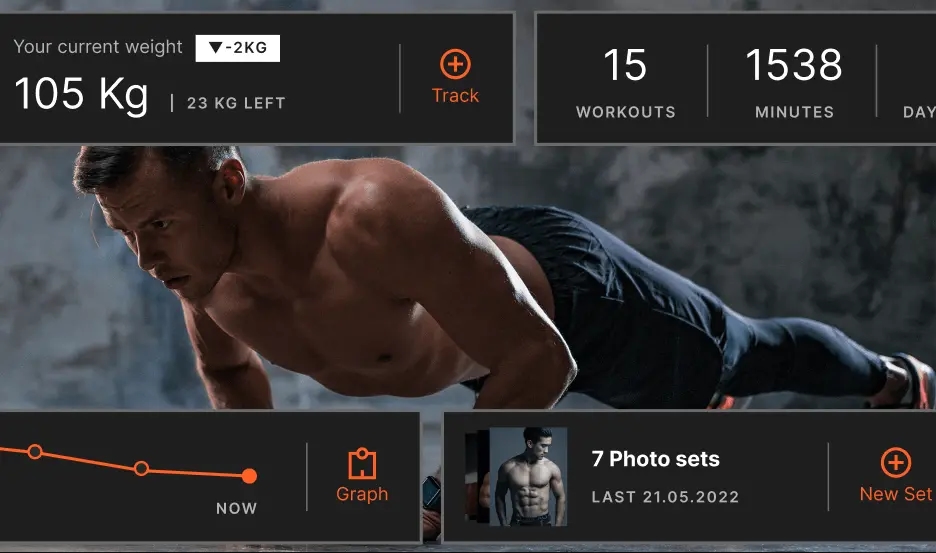
Dietary tips for faster Weight Loss
Increase Protein Intake:
Protein supports muscle building and keeps you feeling full longer. Incorporate sources like chicken, fish, eggs, tofu, and legumes.
Stay Hydrated:
Drink plenty of water throughout the day to support your metabolism and reduce hunger.
Limit Alcohol:
Alcohol is calorie-dense and can hinder weight loss efforts. If consumed, do so in moderation.
Plan Meals Ahead:
Preparing meals in advance can help you avoid unhealthy choices.

Frequently Asked Questions
How Much Weight Can you Lose in a Month?
A healthy rate of weight loss is 0.5-1 kilogram per week, which translates to 2-4 kilograms per month. This varies depending on factors like starting weight, activity level, and adherence to a plan.
Can you Lose Weight without Exercise?
Yes, weight loss can occur through dietary changes alone. However, incorporating exercise improves overall health, boosts metabolism, and helps preserve muscle mass during weight loss.
What's the Best Diet to Lose Weight?
The best diet is one you can stick to long-term. Popular options include high-protein, low-carb diets, or balanced approaches like the Mediterranean diet. Avoid extreme fad diets that are difficult to maintain.

Conclusion
Losing weight requires a holistic approach that combines proper nutrition, consistent exercise, and healthy lifestyle habits. While there’s no quick fix, these sustainable strategies can help you achieve long-term success. Start small, stay consistent, and enjoy the journey to a healthier, fitter you.
By committing to these steps, you’ll not only shed pounds but also improve your overall well-being.
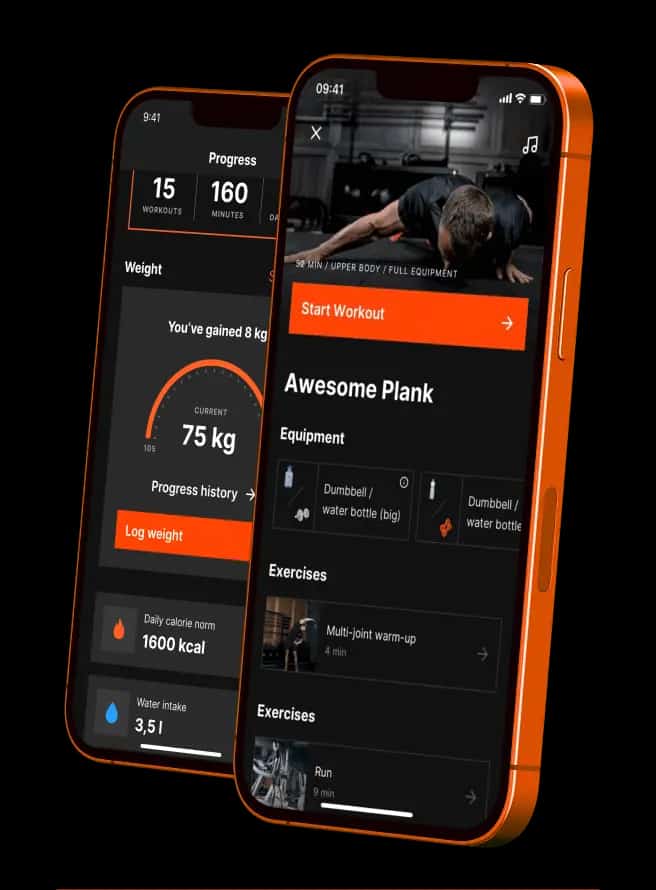
Shape your body with MadMuscles
- Take a Quiz
- Get a personal workout plan
- Achieve your goals!
Select your gender
MadMuscles does not diagnose conditions or suggest treatments. Any diet, training plan, or supplement described should be discussed with your current physician or nutritionist. This article does not address specific medical conditions and is intended solely to provide general information on healthcare topics. Following any advice is at your own discretion and does not impose any responsibility on the blog authors for your health and safety.